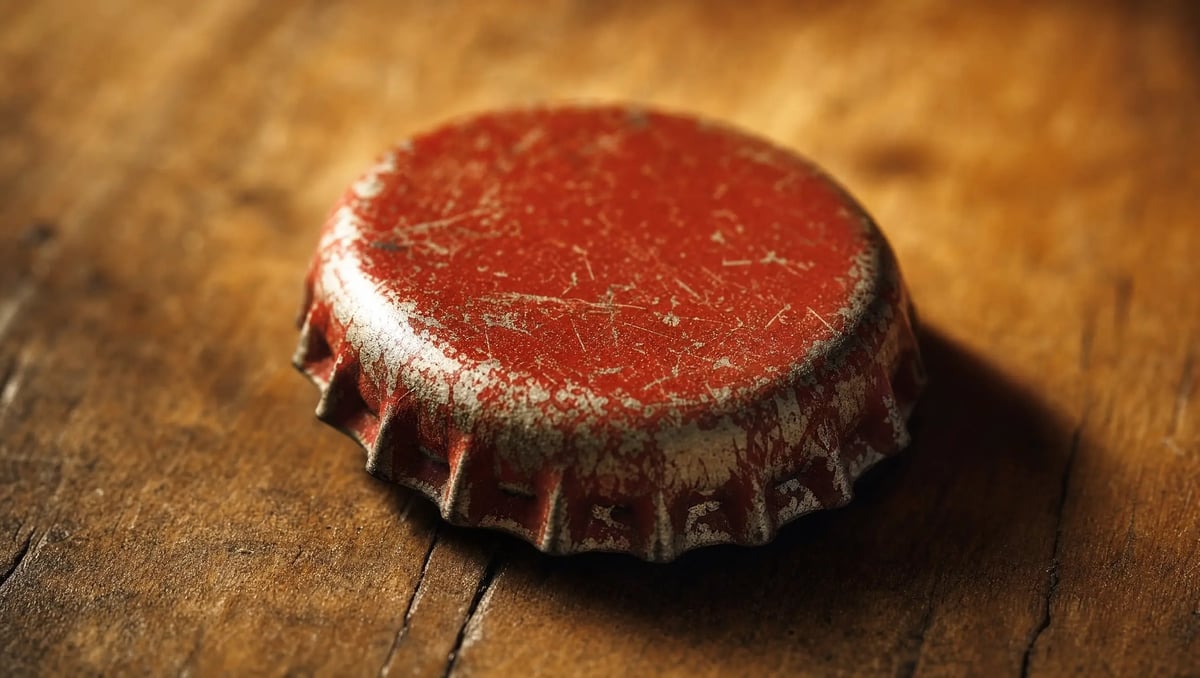
From the archives: Simon first wrote this one for us back in 2021. We have dusted it off and dragged it back out because, frankly, it is far too good to leave gathering digital dust.
We have all made a mistake from time to time. The odd typo on a Facebook post, liking the wrong photo, or firing off an email to exactly the wrong person. We are only human, after all. But let me tell you a story that will make you squirm.
TL;DR
We have all made a small work mistake, the odd typo, the wrong "like", the email fired off to precisely the wrong person. This is not that. In 1992, a single printing error turned 800,000 Pepsi bottle caps into million-peso "winners", and the fallout included lawsuits, riots and firebombed trucks. It is the greatest cautionary tale in marketing history, and there is a genuine lesson in it for the rest of us.
It is 1992, Manila, in the Philippines. Pepsi-Cola Philippines is being comprehensively outsold by Coca-Cola, roughly 75 per cent to 17 per cent market share. Something had to give.
Great name. Simple plan. Every bottle of Pepsi, Mountain Dew and 7 Up would carry a three-digit number printed inside the cap, with cash prizes ranging from 1,000 pesos all the way up to a life-changing grand prize of 1,000,000 pesos.
The campaign took off. Sales jumped by close to 40 per cent. High fives all round.
And what do we do when a campaign is going well? We go harder. Elated officials added five more weeks to the original twelve-week run. The new ads promised: "More chances to be a millionaire!" (Drogin, 1993)
As the weeks wore on, more than 51,000 people won cash prizes. The vast majority won the smallest prize, 100 pesos, but 17 lucky people won a full million pesos and were paraded through Pepsi's advertising like conquering heroes. (Drogin, 1993)
It is time to announce another grand-prize winner of one million pesos. And the winning number is...
349.
Someone, somewhere, had missed a rather important memo. 800,000 caps had the number 349 printed inside them. Take a moment to imagine being the person responsible for that. You would not tidy your desk. You would simply gather your things and quietly leave the country. This was not a stray typo on a Facebook post.
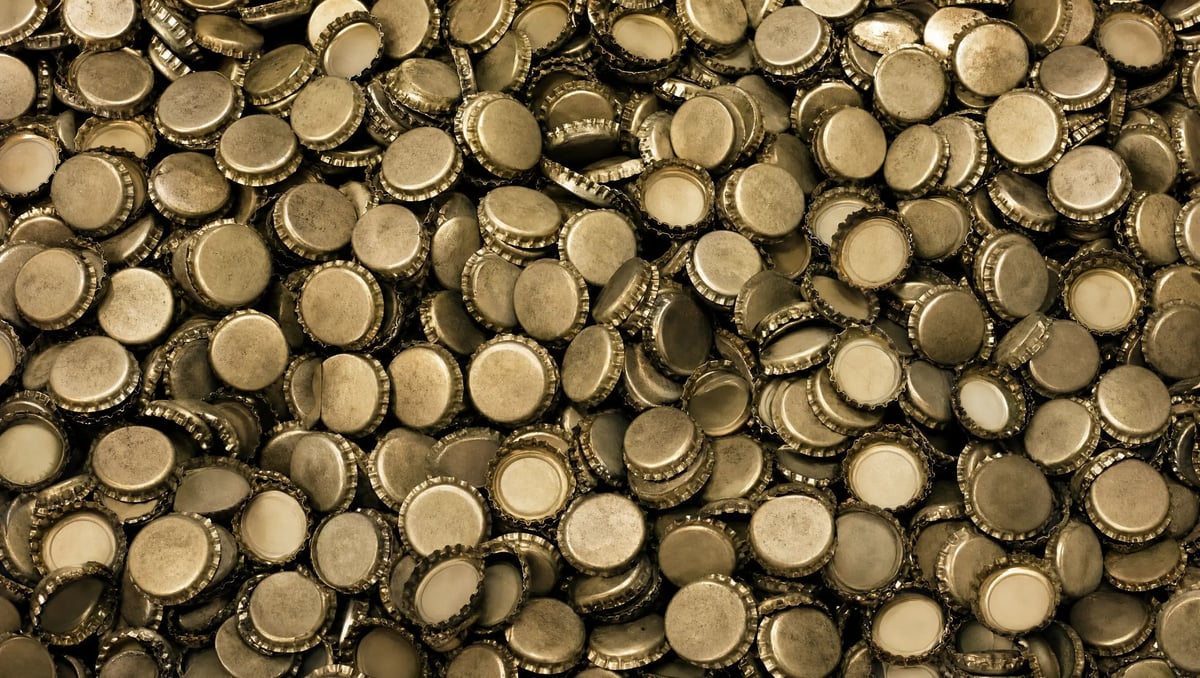
Someone missed the memo. 800,000 caps had the number 349 printed inside them. Imagine being the person responsible.
Thousands upon thousands of Filipinos turned up to claim their million pesos. Pepsi ducked and weaved, citing improper security codes on the caps and a computer glitch. The message, essentially: "Sorry folks, our mistake, you have not actually won a million pesos, but here, have a Pepsi."
It got serious fast. Riots. People were killed. Pepsi trucks were set alight, bottling plants were firebombed, and executives quietly left the country. Thousands of furious Filipinos formed anti-Pepsi organisations. One member, Paciencia Salem, 64, said her husband had died of heart failure at an anti-Pepsi rally, and she was prepared to do the same.
"Even if I die here, my ghost will come to fight Pepsi," she promised. "It is their mistake. Not our mistake. And now they won't pay. That's why we are fighting." (Drogin, 1993)
Eventually everyone settled down enough to file a 400 million peso class action against PepsiCo. The company paid out roughly 10 million in restitution and legal fees, and, as a gesture of goodwill, close to 500,000 to non-winning claimants. It is fair to say the campaign had well and truly lost its sparkle. In 2006, the Supreme Court of the Philippines cleared Pepsi of all criminal charges and ruled it was not liable for the riots.
An epic failure by any measure.
Now, I could just leave you with the schadenfreude, but there are real lessons buried in the wreckage, and they apply whether you are running a national soft-drink promotion or boosting a post for fifty dollars.
None of that requires a marketing degree. It just requires checking the thing before you shout about it, which remains the least glamorous and most valuable habit in the business. It is exactly why we test, QA and sanity-check every campaign before we scale it, Meta ads, Google Ads or otherwise. The boring checks are the ones that save you from becoming a case study.
And if it is any comfort, Pepsi is in famous company. Coca-Cola once replaced its own formula with New Coke and had to bring the original back within months. Hoover offered free flights with purchase in the early nineties and very nearly gave itself away. Big brands, big budgets, big mistakes. It happens to everyone.
Key takeaway
The most expensive marketing mistakes are almost never the creative. They are the mechanics nobody checked. Test small, safeguard your single points of failure, and own it fast when it goes wrong.
So there it is. Next time you make a little whoopsie, just think of Pepsi. Things could always be worse.
If you know of, or are personally responsible for, a monumental marketing mistake, feel free to confess in the comments. Unless, of course, it is something I have done, in which case we shall never speak of it again.
A 1992 promotion in the Philippines where Pepsi printed three-digit numbers inside bottle caps, with cash prizes up to one million pesos. It briefly lifted sales by close to 40 per cent before it went badly wrong.
A printing error meant around 800,000 caps carried the winning number 349, rather than a single winner. Pepsi could not possibly pay them all, which triggered lawsuits, protests and riots.
Pepsi refused to honour the full million-peso prizes, citing a security-code error, and instead paid smaller goodwill amounts and settled legal claims. In 2006 the Philippine Supreme Court cleared it of criminal liability.
Test campaigns on a small scale before scaling, safeguard any single point of failure, read the fine print on what you promise, and own mistakes quickly and generously when they happen.
About the author
Head of Digital Strategy and Operations, Digital Marketing Adelaide
Simon leads our studio design and creative team. He is a marketer with a passion for beautiful, effective advertising, though he would probably rather be on the golf course.
 Fun
Fun
 Meta Ads
 Google Ads
 Strategy
 Strategy
 AI Search
Book your free strategy call with our Adelaide digital marketing team.
Or call us on 08 8121 5844