From the archives: Patrick first wrote this one for us back in April 2019. It has aged so well (audio branding is arguably bigger now than it was then) that we have brought it back, with a fresh 2026 update at the end.
Hey you, yep, you, here is your warning: do not read this blog if you want to keep your sanity.
No, I am serious.
If you read this you will be cursed with the most catchy, earworm-worthy commercial jingles of all time. Trust me, I know, I had to write the damn thing.
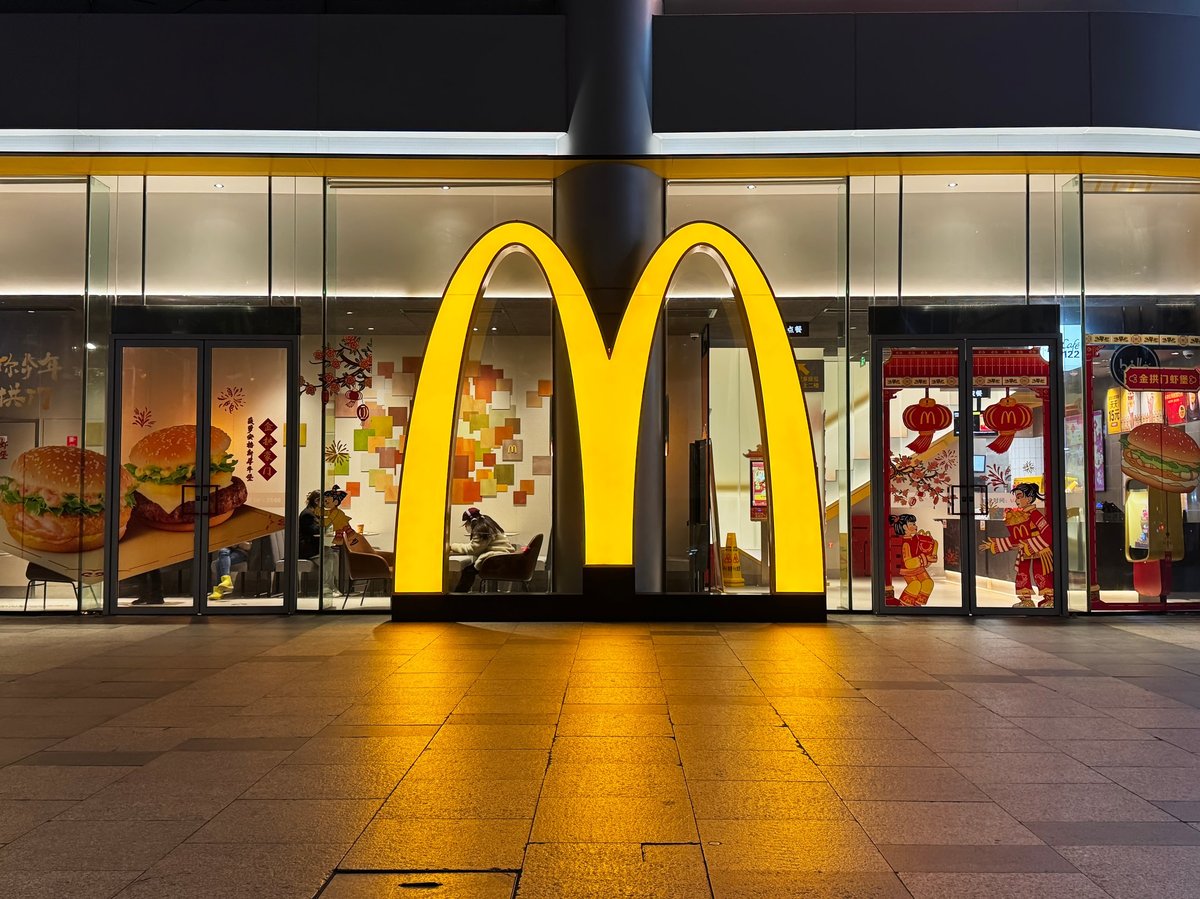
But writing it taught me one thing: if an audio logo works, it really works. For the life of me I cannot get the McDonald's "ba da ba ba baa" out of my head no matter how hard I try. And, more worryingly, I am starting to warm to the idea of grabbing some Macca's on the way home from work.
TL;DR
A good jingle is not a childish gimmick, it is a memory device. Done well, a tune or a signature sound sticks in people's heads better than a logo ever will, which is exactly why McDonald's and Toyota still live rent-free in yours. Audio branding has come roaring back in the streaming and TikTok era, and it remains one of the most underused, best-value branding assets a business has. Fair warning: this post will leave you humming.
Audio is just one part of what makes a brand distinctive. Distinctive assets can be anything, logos, colours, characters, slogans, all that matters is that the asset is memorable and unmistakably yours. But there is something about a jingle that, done well, becomes one of the strongest branding assets you have.

Think of Toyota. Yes, the logo probably springs to mind first, or maybe those happy customers jumping in slow motion at the end of the ad. But there is something else too: a catchphrase that lodges itself in your skull and has you humming "oh what a feeling, Toyota!" long after the ad has finished. I do not know about you, but I never think about the Toyota logo once the ad is over.
Now say Coca-Cola. Your mind immediately assembles a set of images and sounds, the colour red, that classic typeface, maybe the unmistakable hiss and fizz of a bottle being poured. But it is hard to land on a tune to hum. Coke has had songs in its ads before, but they change with every campaign, so none gets the chance to set in the minds of everyday people.
That gap between the two is exactly where the power of a jingle lives. Against the audience's best intentions, a tune like Toyota's or McDonald's gets stuck, and a stuck tune is a remembered brand.
A stuck tune is a remembered brand. That is the whole trick, and it is harder to pull off than it looks.
Make no mistake, jingles have their drawbacks. A tune that is too irritating, or played too often, will have your target market blacklisting your brand rather than buying from it. And a jingle that does not fit what you are selling is worse than none at all. If your business is funeral services, a happy-go-lucky sing-along is probably not your smartest move.
Still, jingles should not be written off as childish gimmicks. Their reach across mediums is simply too strong. A jingle works just as well in a TV ad as it does on radio or in a social video, and it suits every channel that is not quietly going the way of the printing press. A fond farewell to newspapers and direct mail.
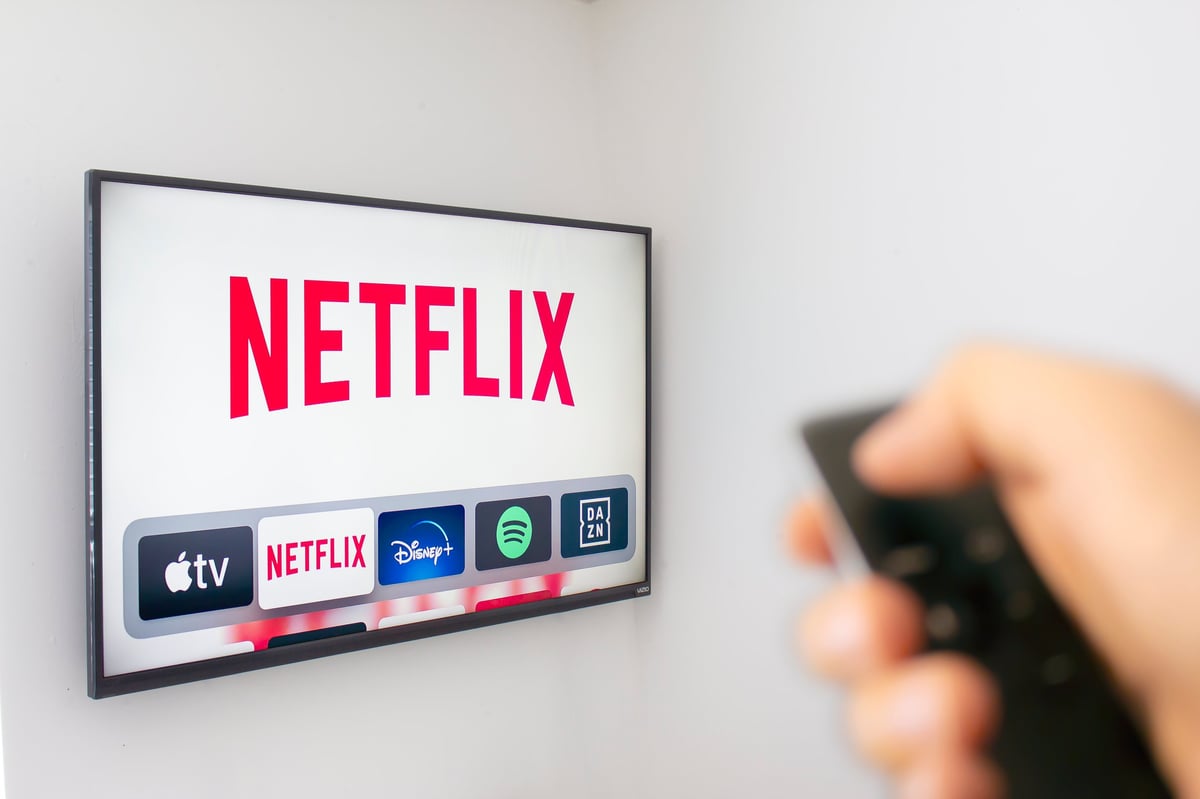
Here is the twist that makes this old post more relevant than when we first wrote it. Audio branding has come roaring back. Streaming taught us all to recognise a brand in about two notes, the Netflix "ta-dum", the Intel chime, that little sting right before your favourite show. And short-form video changed the game again: on TikTok, Reels and Shorts, sound is not the garnish, it is the main course. A recognisable sound, a signature phrase, or a track your audience ties to you can do more for recall than another logo ever will. The medium changed. The psychology did not.
You do not need a Toyota budget to put this to work. A few honest ways in:
Distinctive assets, sound included, are one of the most underused tools a small business has. They cost little, they compound, and they make you the brand people remember when it is finally time to buy.
Key takeaway
A jingle, or any distinctive sound, is not a childish gimmick. It is a memory device. Pick one, make it fit, use it consistently where sound leads, and it becomes one of the most powerful branding assets you own, and one of the least expensive to keep.
So next time you sit down for a branding review, whatever the size of your business, give a jingle, or a signature sound, some serious thought.
Now, about that McDonald's.
Yes. A well-made jingle or sonic logo is a memory device that lodges in people's heads and makes a brand easier to recall. Streaming stings and short-form video sound have made audio branding more relevant than ever.
Any memorable, ownable element of a brand, a logo, colour, character, slogan or sound, that makes it instantly recognisable. The more consistently you use it, the stronger it gets.
Short, catchy, and a genuine fit for what you sell, used consistently and not so often it becomes annoying. A tune that irritates, or clashes with your product, does more harm than good.
In channels where sound leads: TV, radio, and social video such as TikTok, Reels and YouTube. They add little in silent formats like newspapers or direct mail.
About the author
Marketer, Digital Marketing Adelaide
Patrick has a passion for how businesses can improve their advertising through science-backed principles. He enjoys writing about marketing far more than he enjoys writing about himself.
 Fun
Fun
 Fun
Fun
 Meta Ads
 SEO
SEO
 Strategy
 AI Search
Book your free strategy call with our Adelaide digital marketing team.
Or call us on 08 8121 5844